The Tennessee Historical Society released a call for submissions last month seeking documentary projects about underreported Nashville narratives, and the response surprised even veteran staff members. Forty-three applications arrived within three weeks—nearly triple the typical annual intake—with the majority coming from creators under 35 who grew up in the city or moved here within the last decade. The uptick signals something Nashville's cultural institutions have quietly been tracking: a new wave of local historians and storytellers is pushing back against the sanitized version of Music City history that's been packaged for tourists and textbooks for decades.
This shift matters now because Nashville's identity is contested ground. The city's rapid growth—the population increased 14.7 percent between 2010 and 2020, according to census data—means newcomers and longtime residents are literally rewriting what the city means. The pandemic accelerated remote work migration, bringing an influx of people with no family connection to Nashville's neighborhoods. Simultaneously, redevelopment is erasing physical markers of that history. The James C. Napier neighborhood, once a thriving Black commercial district north of Jefferson Street, has seen significant demographic and economic shifts. Young creators are racing to document what exists before it disappears.
Who's Doing the Work
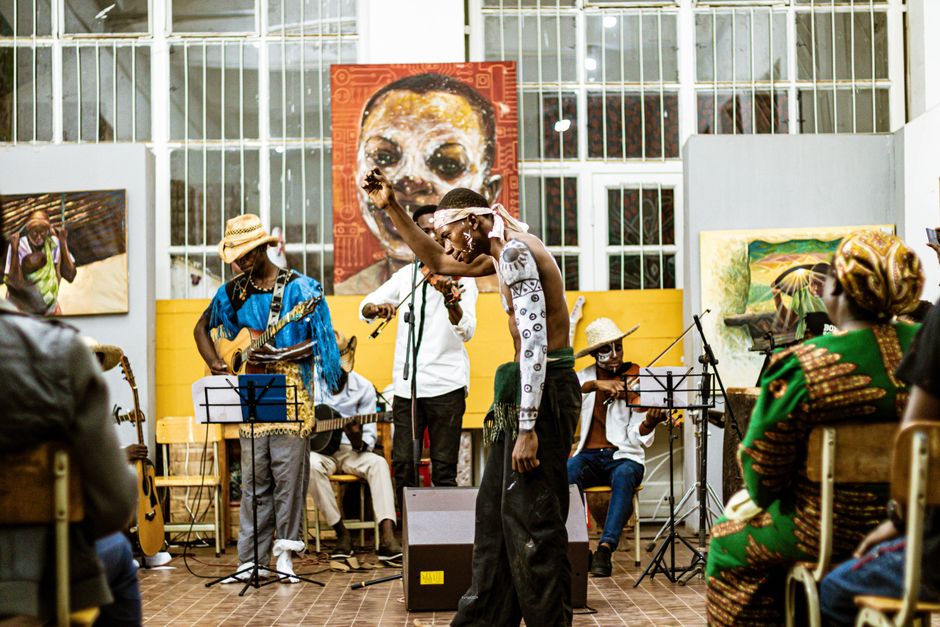
Start with the activists affiliated with Witness Theater, a nonprofit based in a converted warehouse on Charlotte Avenue that trains people to tell their own stories on stage and film. The organization, which moved to its current location in 2019, has shifted its focus deliberately toward younger facilitators of color who grew up in or near Nashville's traditional Black neighborhoods. Their summer intensive program, which runs June through August each year, is producing short documentary clips about family histories tied to places like Dickerson Pike and Clarksville Pike—areas that rarely appear in official Nashville history. One recent project examined the under-documented history of Black-owned auto repair shops that serviced the entire eastern corridor of the city from the 1950s through the 1980s.
Over in East Nashville, the Parthenon Community Archives Project—a collaborative effort launched in 2023 by undergraduate and graduate students at Lipscomb University—has trained 12 community members, mostly in their twenties and thirties, to conduct oral history interviews and digitize personal photographs and documents. The team collects materials at pop-up sessions held twice monthly at the East Nashville Library branch on Woodland Street. They've amassed over 800 interviews and 3,000 photographs since launch, with particular focus on the neighborhood's shift from working-class white and immigrant communities to its current predominantly Latino demographic.
The data tells part of the story. According to the Metro Planning Department, real estate values in East Nashville increased an average of 23 percent annually between 2015 and 2022. Properties that sold for $95,000 in 2010 now fetch upward of $350,000. That kind of displacement pressure creates urgency. These young archivists understand they're working against the clock.
A Different Kind of Documentation
What distinguishes this generation from previous institutional efforts is methodology. Rather than parachuting in with grant money and predetermined narratives, they're embedding themselves. Witnesses Theater's recent project about Jefferson Street nightclubs employed a format that felt more like conversation than interview—recorded at kitchen tables, in backyards, sometimes at the very corner stores where those nightclubs once operated. The Parthenon project pays community members for their time and intellectual labor, a direct response to critiques that earlier oral history work extracted stories without compensation.
For anyone interested in supporting this work, the Tennessee Historical Society's grant cycle opens again in September, with a $15,000 maximum award per project. Both Witness Theater and the Parthenon Archives accept volunteer facilitators. Getting involved means learning to listen differently and understanding that Nashville's story doesn't belong to one version of the city. It belongs to whoever lived it.