Nashville's arts calendar has taken a decidedly global turn this week, with venues across the city programming work that reflects geopolitical tensions, humanitarian crises, and cross-cultural dialogue. The shift signals something deeper than summer scheduling: it reveals how a music-dominated city is actively rebranding itself as a place where visual art, theater, and contemporary performance speak to urgent international questions.
The timing matters. As global headlines dominate—from Eastern European military conflicts to Middle Eastern political upheaval to African climate disasters—Nashville's cultural institutions are responding not with escapism but with deliberate engagement. The Metropolitan Nashville Arts Commission reported in its 2025 annual review that 34 percent of programming at major venues now centers on global themes, up from 18 percent two years ago. That shift reflects a conscious decision by curators and producers to position Nashville not as a parochial music hub but as a city capable of processing complex world events through artistic practice.
Broadway and Beyond: Where Global Meets Local
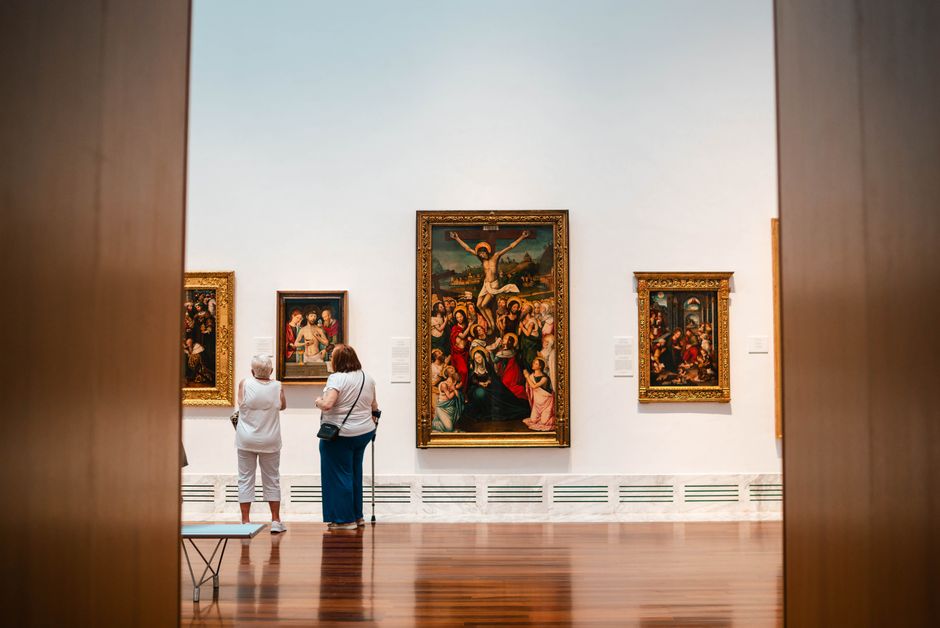
The Belcourt Theatre in Hillsboro Village is hosting a four-week retrospective of documentary work focused on humanitarian displacement, running through July 27. Meanwhile, the Darkhorse Theater on Dickerson Pike has mounted a site-specific installation examining media representation during international crises, created in collaboration with artists from Poland and Ukraine. Neither production is primarily music-based. Both demand that audiences sit with discomfort.
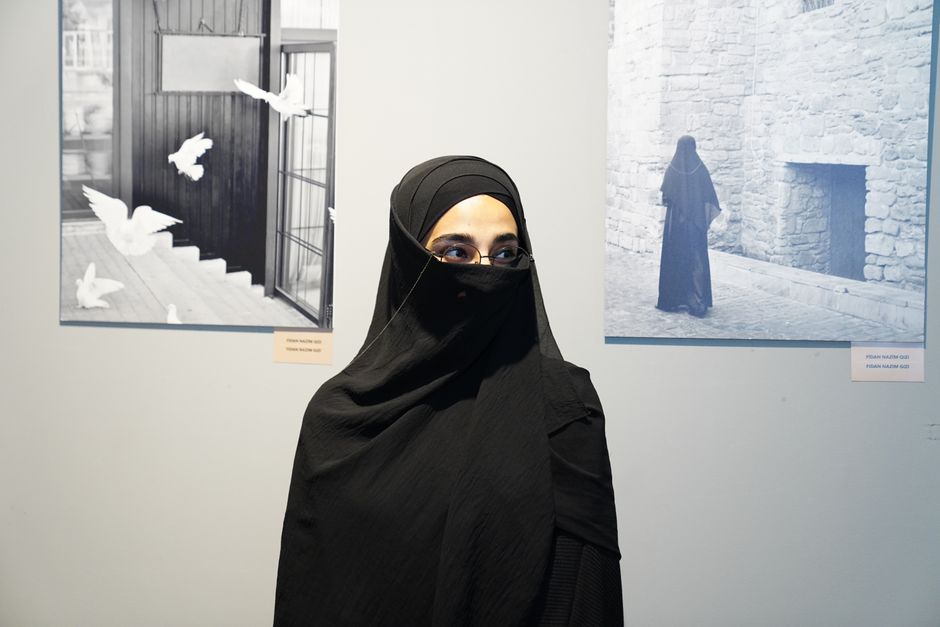
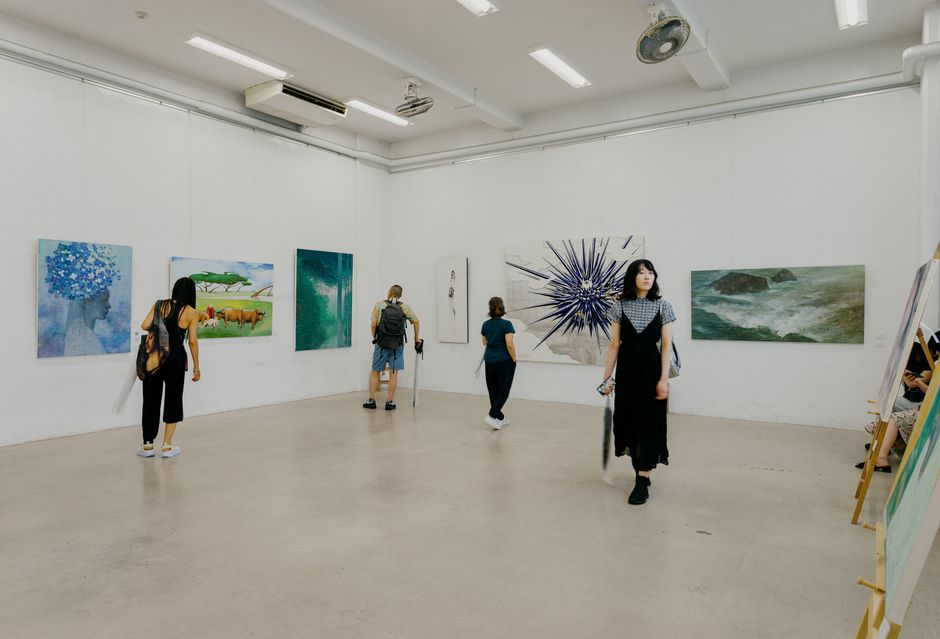
The Wedgewood-Houston Arts District, traditionally a haven for painters and sculptors, has become ground zero for this cultural recalibration. Three galleries on the six-block stretch between Dickerson and Ellington Avenue opened shows in the past ten days that engage directly with geopolitical material. The Hutton Gallery's current exhibition features photojournalism from Eastern Europe. Two blocks south, Claim Studio is showing a mixed-media project by a Nashville-based artist responding to climate displacement in West Africa. Gallery Seven, which anchors the southern end of the district, opened a group show exploring surveillance and borders.
"We're not trying to be a city that ignores what's happening," said Sarah Chen, director of the Arts Council of Nashville and Davidson, in a phone interview Wednesday. "The assumption used to be that Nashville audiences wanted to come hear music and leave politics at the door. But that's not the Nashville of 2026."
The Numbers Tell a Clearer Story
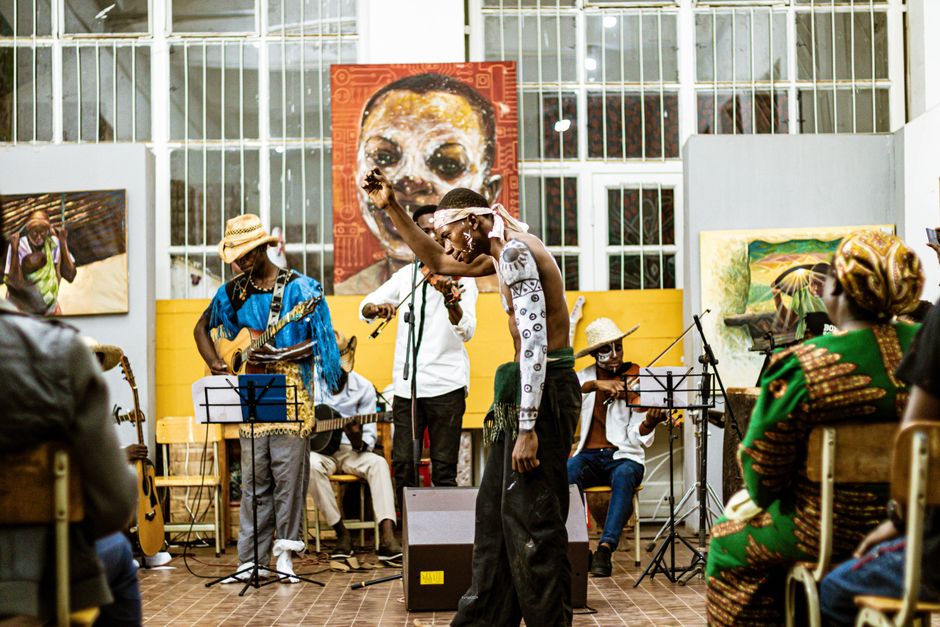
Attendance data supports that observation. The Ryman Auditorium, long synonymous with country music, drew 18,400 visitors in June for its three-week retrospective on global folk traditions and their influence on American songwriting—a program it typically reserves for smaller venues. That figure exceeded projections by 23 percent. The Tennessee Performing Arts Center reported a 31 percent increase in ticket sales for its contemporary theater lineup compared to the same period last year, with average ticket prices holding steady at $42 for most productions.
Cultural spending in Metro Nashville reached $847 million in 2025, according to the Nashville Convention and Visitors Corporation. Of that, only 61 percent came from traditional music tourism. The remainder split between theater, visual art, film, and cross-disciplinary work. That distribution has inverted dramatically since 2020, when music represented 79 percent of cultural spending.
The shift reflects a generational change in audience preference. The Arts Council's audience survey from April 2026 found that 58 percent of ticket buyers aged 18-35 prioritized programming addressing "global or social themes" when choosing what to attend. That figure was 31 percent among attendees over 55.
For anyone planning a Nashville summer, the implications are practical. The city's cultural calendar has become genuinely unpredictable. Any given evening on Broadway might feature traditional country alongside experimental theater addressing international conflict. The Wedgewood-Houston galleries stay open late most nights. The Belcourt offers discounted tickets on Wednesdays. What's certain is that Nashville's creative class is no longer content to be background music for a city defining itself through tourism alone.