Nashville's summer cultural calendar hits peak intensity in July, drawing visitors from across the globe to catch live performances, food festivals, and street fairs that define the city's identity. The heat is relentless—expect highs in the low 90s Fahrenheit with humidity that makes walking the two miles from The Parthenon to downtown feel like wading through soup—but the cultural payoff justifies the sweat.
Tourism officials report that July ranks as the second-busiest month for Nashville visits after June, with the Metropolitan Planning Organization estimating 1.2 million visitors pass through the city during the month. That surge matters because it reshapes how you experience the city. Lines form early at Ryman Auditorium on Broadway, hotel rooms book solid weeks in advance, and restaurants in The Gulch operate at full capacity by 7 p.m. nightly. Understanding what's happening and where locals still find elbow room separates a memorable visit from a frustrating one.
Where Culture Actually Happens Beyond Broadway
Yes, Broadway overflows with tourists nursing $18 whiskeys while live bands work through their fourth set of the evening. That's part of Nashville's story, but it's not the whole picture. The Tennessee Performing Arts Center on James Robertson Parkway hosts the Nashville Ballet's summer repertory through mid-July, offering world-class modern dance in an air-conditioned theater that rivals any major American city venue. Tickets run $35 to $85 depending on seating.
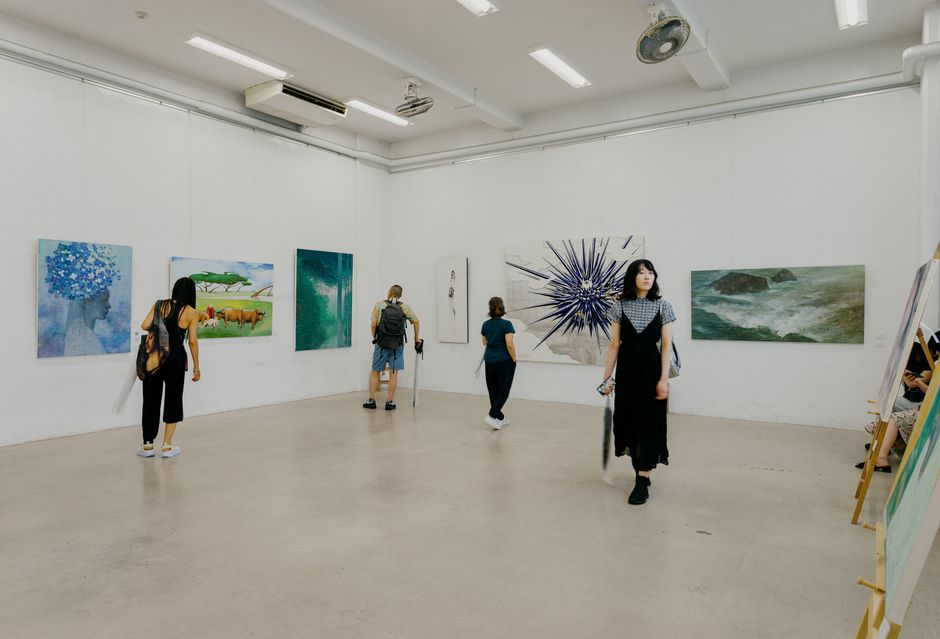
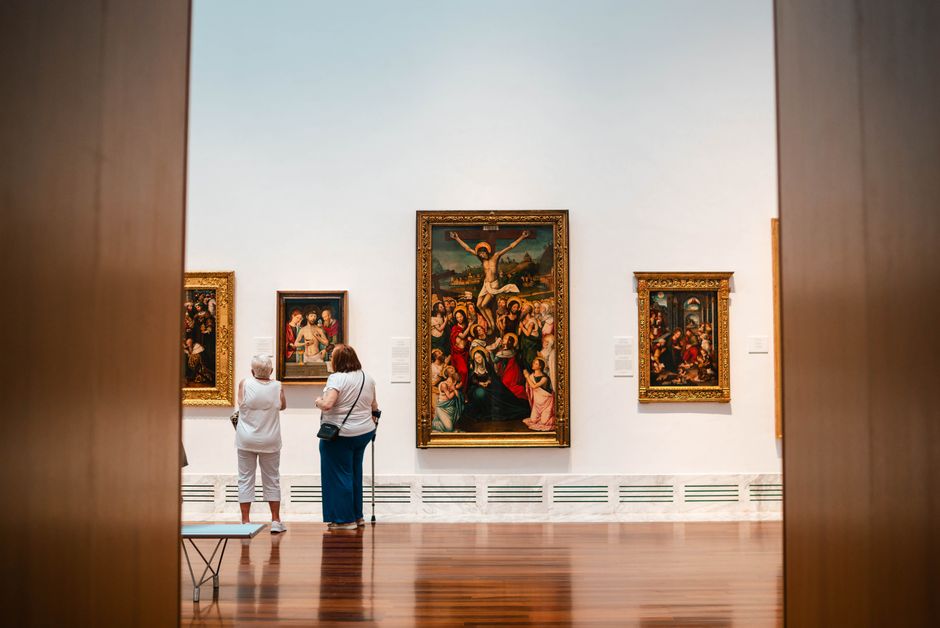
Head east to East Nashville, where The Five Points district has become the city's creative backbone. The neighborhood's galleries, smaller music venues like The Basement East, and restaurants like Mas Tacos Por Favor pack the blocks between Main Street and Woodland Avenue. The Frist Art Museum, located on Church Street near Capitol Boulevard, opens extended hours through August 10 and features rotating exhibitions that draw serious collectors and casual tourists alike. Admission is $16 for adults.
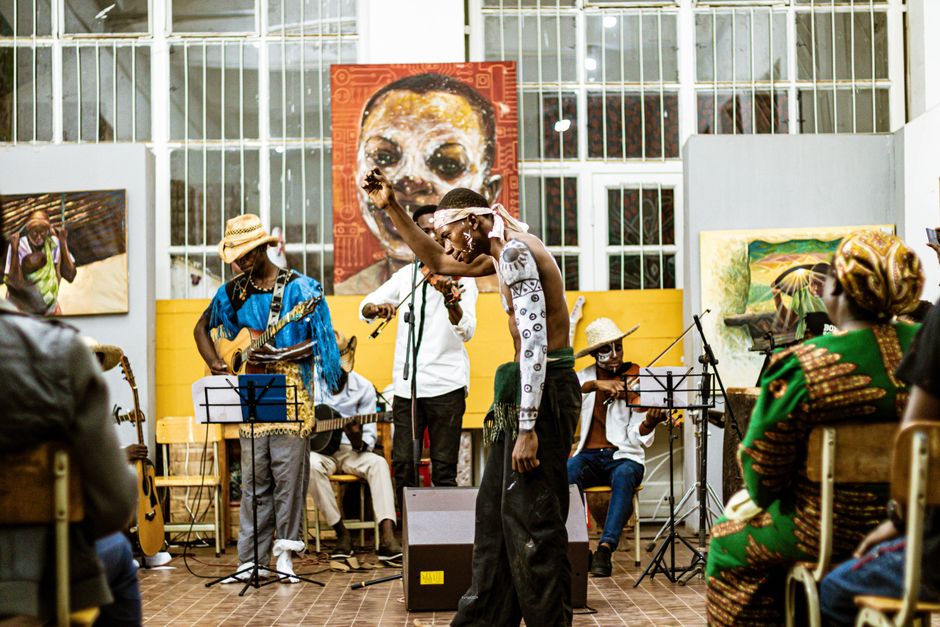
The Nashville Jazz Orchestra performs free outdoor concerts every Thursday evening through August at various parks across the city. This July's schedule includes stops at Shelby Park on July 10 and Centennial Park on July 24, starting at 7 p.m. The orchestra's weekly residency offers a window into the city's live music tradition without the tourist markup of downtown venues.
Festivals, Food, and Practical Intelligence
The CMA Summer Fest, typically held in early July, draws industry professionals and country music fans to stages set up across downtown. In 2026, the festival runs July 9-12 with multiple venues operating simultaneously. General admission passes cost $89 per day or $229 for a four-day pass. Arrive early—gates open at 9 a.m.—and hydrate aggressively. Heat-related illness numbers spike during Nashville's summer festivals, and medical staff report treating dozens of visitors monthly for dehydration and heat exhaustion.
The Southern Food & Beverage Museum, located at the Wedgewood-Houston complex on Houston Street near Gilmore Avenue, opens a temporary exhibition on Tennessee food traditions running through September 15. Hours are 10 a.m. to 5 p.m. Tuesday through Sunday. Tickets are $12.
Parking downtown costs $5 to $15 depending on location, and the MTA bus system ($2 per ride) offers a cooler alternative to walking. The Honky Tonk Central building on Broadway houses seven working music venues stacked vertically—a practical solution for experiencing multiple performances without relocating every 90 minutes.
If you're visiting Nashville this July, book restaurants by 6 p.m., stay hydrated religiously, and venture past Broadway's main drag. The real cultural action happens in smaller theaters, neighborhood galleries, and park stages where locals actually spend their summer evenings.