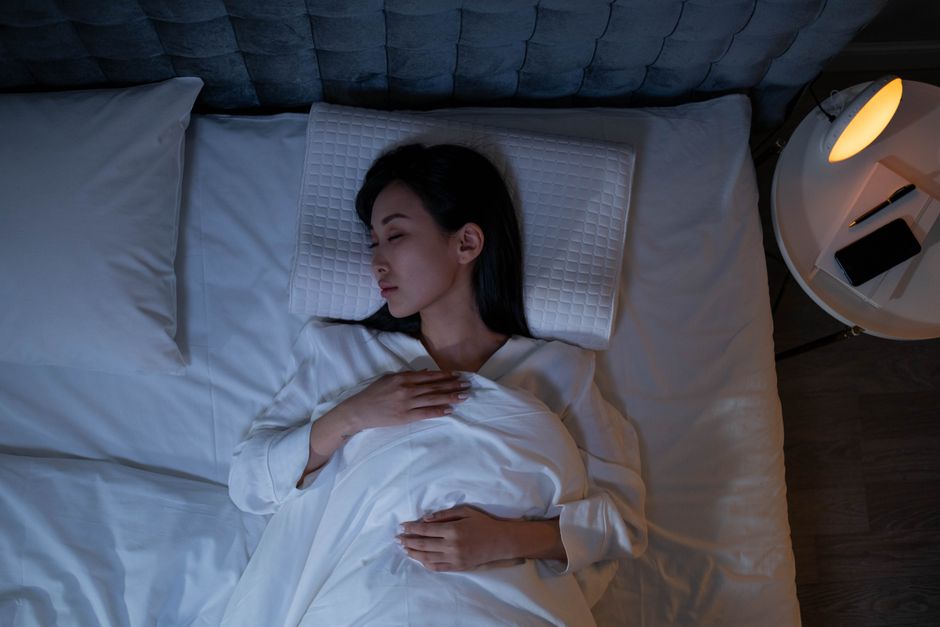
Nashville's average overnight low in July sits at 74°F. That single number, buried in National Weather Service data, helps explain why sleep clinics across Davidson County are reporting fuller waiting rooms this summer. Human sleep quality degrades measurably when core body temperature cannot drop by the 1 to 2 degrees Fahrenheit required to trigger deep, restorative sleep stages — and in a city where heat islands concentrate around Lower Broadway, Midtown and the Nations, that physiological window is getting harder to hit.
The stakes are real. The Centers for Disease Control and Prevention estimates that roughly 1 in 3 American adults regularly fails to get the recommended seven hours of sleep per night. Chronic short sleep is linked to elevated risks for hypertension, Type 2 diabetes and mood disorders. Nashville's booming population — the metro added more than 100 residents a day through much of 2024 and 2025 — has packed more apartments, more traffic lanes and more nightlife into corridors that were quieter a decade ago. What used to be a noise and light problem for residents near Printer's Alley has crept steadily east toward East Nashville and north toward Germantown.
The Three Pillars Destroying Your Rest
Temperature is the most fixable factor, but also the most misunderstood. Sleep researchers broadly recommend a bedroom between 65°F and 68°F for optimal rest. Anything above 72°F measurably suppresses slow-wave sleep, the deepest and most physically restorative stage. For Nashville renters in older Craftsman homes off Gallatin Pike or in the brick apartment buildings lining Charlotte Avenue, window units struggling against July humidity often cannot get rooms that cool without running electricity bills past $200 a month — a real trade-off many residents are making poorly.
Light is the second culprit. The body's melatonin production begins to fall within minutes of exposure to blue-spectrum light, the kind emitted by phones, televisions and the LED streetlights the Metro Nashville Department of Transportation finished installing across much of the urban core by late 2024. Residents in the Gulch and SoBro who sleep near street-facing windows are effectively getting a biological signal several times each night that it is still daytime. Blackout curtains, which retail for $30 to $80 per panel at the Nashville Home Depot locations on Interstate 24 and Gallatin Road, represent one of the cheapest high-impact interventions available.
Noise rounds out the trio, and it may be the hardest to solve. A 2023 study published in the journal Sleep Medicine found that intermittent noise above 45 decibels — roughly the level of a quiet conversation — causes measurable micro-arousals even in sleepers who never fully wake. The stretch of Nolensville Pike south of Thompson Lane, where late-night freight traffic picks up after midnight, regularly registers above 60 decibels in residential zones. White noise machines, which typically run $25 to $60 at Target on Powell Avenue South in Berry Hill, can mask those spikes. Earplugs remain the cheapest option at under $5, though compliance drops significantly over a full night.
Where Nashville Residents Are Getting Help
Vanderbilt University Medical Center's Sleep Disorders Center on Oxford House Avenue has expanded its patient intake hours twice since January 2025, a direct response to rising referral volume from primary care physicians. The center offers both in-lab polysomnography studies and at-home sleep testing kits, which some insurance plans now cover with zero copay under the preventive care provisions that took effect under updated ACA guidance in 2024.
For residents not yet at the clinical stage, the Nashville Public Library's Bellevue Branch has hosted free sleep hygiene workshops through its wellness programming series, with the next session scheduled for August 12. The workshops cover environmental modification — including light, noise and temperature management — and are open without registration.
The practical starting point for most people is an honest look at the bedroom itself. Keep the thermostat at 67°F if the budget allows. Block the light from Charlotte Avenue or Broadway with proper curtains. Run a fan or a white noise app. None of this is glamorous advice, but a growing body of evidence suggests that fixing the room before addressing anything else — diet, exercise, screen time — is the highest-yield move most Nashville adults are skipping.