Wellness
The Sleep Environment Checklist for Better Rest
Nashville's wellness community is zeroing in on bedroom conditions—not bedtime routines—as the real reason so many of us can't get eight hours.
4 min read
Updated 1 h ago
Wellness
Nashville's wellness community is zeroing in on bedroom conditions—not bedtime routines—as the real reason so many of us can't get eight hours.
4 min read
Updated 1 h ago
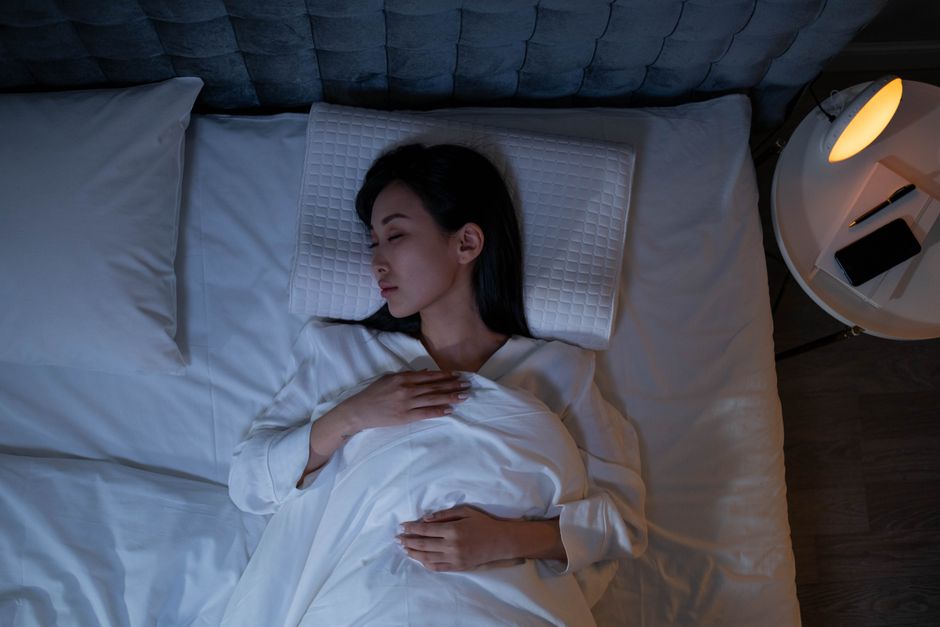
The average Nashville adult is getting 6.4 hours of sleep on a weeknight. That number, drawn from 2025 CDC behavioral risk factor data, puts Middle Tennessee residents below the seven-hour floor that most sleep medicine specialists consider the minimum for functional health. And increasingly, local wellness professionals are pointing to the same culprit: the bedroom itself, not the person sleeping in it.
This matters right now for a specific reason. July in Nashville means heat indexes pushing 105 degrees by mid-afternoon, and those outdoor temperatures bleed into homes well past midnight. Add in the noise corridor along Gallatin Pike and the light pollution that blankets East Nashville and Germantown, and you have a city that's essentially engineered against good sleep during its hottest months. Hormone fluctuations, which sleep researchers have been flagging more loudly this year, make that temperature sensitivity worse—both for perimenopausal women and for men whose testosterone levels dip with age. The bedroom environment isn't a luxury concern. It's a clinical one.
Sleep specialists break the bedroom audit into four categories: temperature, light, sound, and surface. Temperature first. The research consensus sits at 65 to 68 degrees Fahrenheit as the optimal sleeping range. In a Nashville July, that means your HVAC is doing serious work—and your utility bill reflects it. Residents in older homes in Inglewood or 12 South often find central air can't hold that number in a second-floor bedroom. A dedicated window unit set to 66 degrees, or a cooling mattress pad—brands like Eight Sleep retail around $1,495 for a queen—can close that gap without overhauling your whole system.
Light is the second variable, and it's more disruptive than most people account for. The Cumberland River waterfront developments have added significant ambient glow to downtown-adjacent neighborhoods. Blackout curtains that block 99 percent of light, available at places like the HomeGoods on Powell Avenue in Antioch for roughly $30 to $60 a panel, make a measurable difference. So does powering down the blue-light sources: phones, tablets, the television. The blue wavelength suppresses melatonin production for up to three hours after exposure ends.
Sound is the category Nashville residents probably understand best—this city is loud by design. The honky-tonks on Broadway run until 3 a.m., but the less obvious culprits are HVAC compressors, early delivery trucks on Charlotte Avenue, and the freight line that cuts through Wedgewood-Houston. A white noise machine set between 60 and 65 decibels masks those intrusions without creating its own sleep debt. The Vanderbilt Sleep Disorders Center, based at Vanderbilt University Medical Center on Medical Center Drive, includes an environmental assessment as part of its standard intake for new patients, treating noise and light exposure as data points alongside apnea scores and sleep latency times.
Nashville has genuine infrastructure for people who want to go deeper than a checklist. The Sleep Better Nashville program run through Nashville General Hospital at Meharry offers sliding-scale consultations for uninsured and underinsured residents—a detail that matters in a city where roughly 11 percent of adults lack coverage, per 2024 Metro Nashville Public Health data. The program books out four to six weeks, so anyone looking at fall improvement should call in July.
For those not ready for a clinical referral, the wellness floor at Whole Foods on West End Avenue carries a curated section of sleep-adjacent products—magnesium glycinate supplements, silk sleep masks, aromatherapy diffusers with lavender oil—with staff trained to explain what each does and, crucially, what each doesn't do. Supplements are not a substitute for a dark, cool, quiet room.
The practical sequence is straightforward. This weekend, check your bedroom temperature at 2 a.m.—use a five-dollar digital thermometer clipped to the headboard. If it's above 70 degrees, that's your first fix. Then hang something over the window. Then address the sound. Those three steps alone, done before Labor Day, could add 45 minutes of deep sleep per night. That's not a small number. Over a year, it's more than 270 hours. If symptoms persist or worsen, consult a sleep specialist or your primary care physician before trying any supplement or device.
About this article
Published by The Daily Nashville
Spread the word
Daily brief
Free, in your inbox before 7am. Weekdays.
The Daily Network — local news across Australia