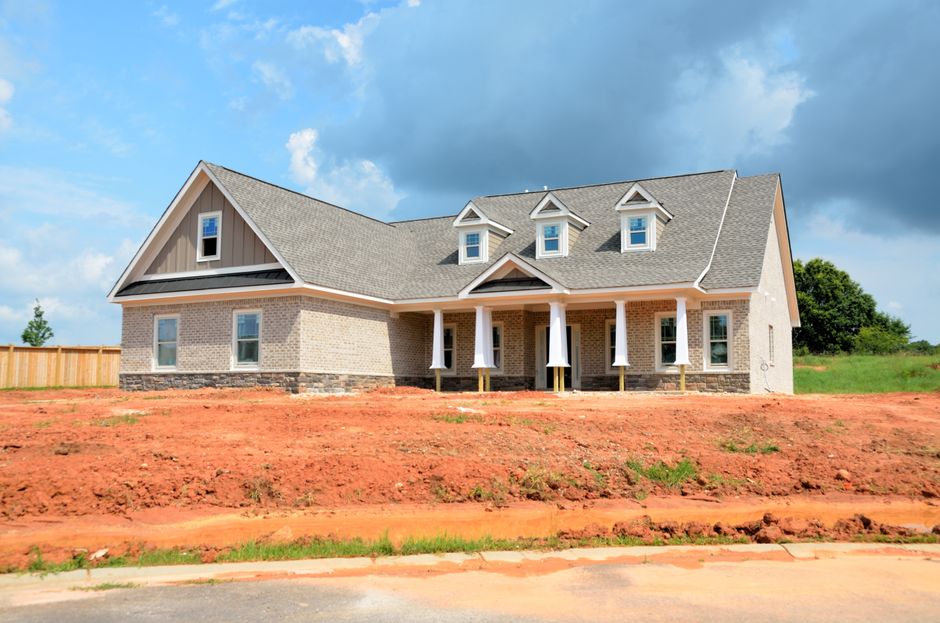
Nashville's residential auction market posted a clearance rate of 72 percent in the final weekend of June, the highest single-weekend figure recorded in Davidson County since February 2025, according to data compiled by the Greater Nashville Realtors. That number capped a month-long trend that saw rates climb from a sluggish 58 percent in early June, when rate-sensitive buyers were still waiting to see whether the Federal Reserve would move before the Fourth of July holiday weekend.
The timing matters. Buyers and sellers who sat on the fence through the first quarter are now making decisions under the assumption that mortgage rates — currently hovering around 6.4 percent for a 30-year fixed product — are unlikely to fall dramatically before year's end. That calculation is pushing activity into the auction channel, where transactions close faster and price discovery is more transparent than in a traditional listed-sale process.
East Nashville and Germantown Lead the Charge
The strongest clearance numbers in June came from two ZIP codes that have become shorthand for Nashville's gentrification story. In East Nashville — specifically along streets like Gallatin Avenue and Woodland Street — seven of eight properties offered at auction in June cleared, with the lone holdout a gut-renovation triplex on North 14th Street that drew only one registered bidder. Median hammer price across those East Nashville auctions landed at $487,000, up roughly nine percent from the same month in 2025.
Germantown told a similar story. Four of five properties auctioned through Fridrich & Clark Realty's specialist auction division sold under the hammer in June, including a renovated Victorian on Monroe Street that cleared at $612,500 — $37,500 above its reserve. The Germantown result was notable because it came during the week of June 16, historically one of the quieter stretches on the Nashville auction calendar as families head to Radnor Lake or Percy Priest Lake for summer weekends rather than open homes.
Not every corridor performed as well. Antioch, which saw heavy auction activity in the second half of 2024 as investors offloaded rental portfolios, recorded a clearance rate of just 54 percent in June. Twelve of 22 properties passed in — a reminder that the headline city-wide figure masks real pockets of softness where supply still outpaces the buyer pool.
What the Numbers Actually Tell Sellers
A clearance rate above 70 percent is broadly considered the threshold at which market conditions favour sellers, a benchmark that Nashville's aggregate figure has now crossed in back-to-back weeks for the first time since March 2025. The Greater Nashville Realtors tracks this threshold quarterly, and their Q2 2026 report — due for release on July 15 — is expected to reflect the June surge.
For context, the city's clearance rate averaged 63 percent across the whole of 2025, a year defined by rate volatility and a brief but sharp pullback in investor activity following changes to Tennessee's short-term rental ordinances. June's 72 percent finish suggests the market has absorbed that regulatory adjustment and moved on.
Total auction volumes also rose. Across Davidson County, 114 residential properties went to auction in June compared with 89 in June 2025 — a 28 percent increase in supply that makes the higher clearance rate more meaningful, not less. A rising clearance rate in a shrinking auction pool is easy to manufacture; posting 72 percent against a larger catalogue suggests genuine depth of demand.
For sellers considering the auction route before Labor Day, the practical implication is clear: list sooner rather than later. Historically, Nashville auction volumes drop sharply in August as families focus on back-to-school commitments, and the window between now and mid-August represents the most competitive buyer pool of the second half. Agents at Zeitlin Sotheby's International Realty in Green Hills have been advising clients to schedule auction dates no later than the first week of August to capture that demand. After that, the question shifts from whether buyers will show up to how many will — and in a clearance-rate game, that difference is everything.