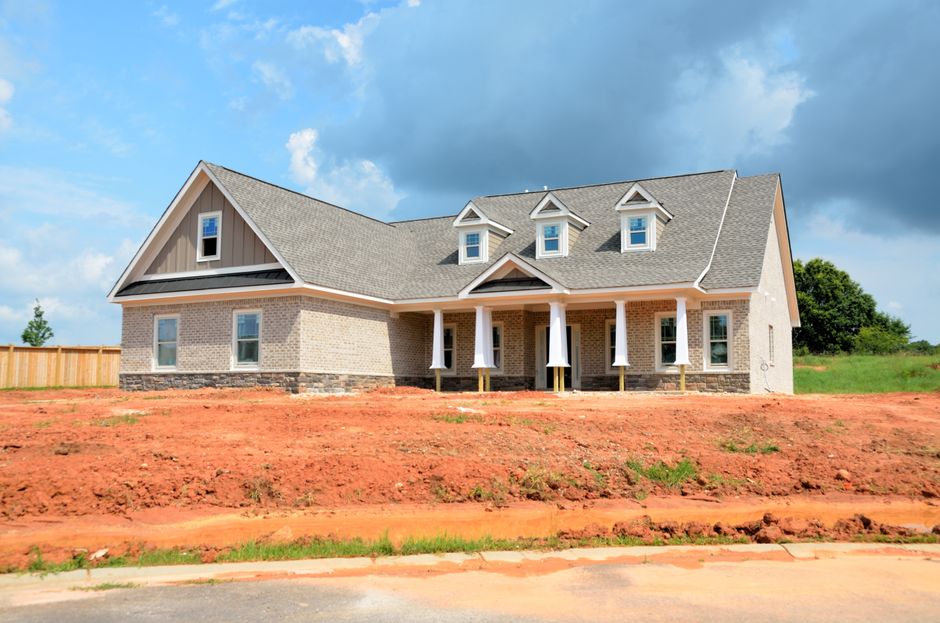
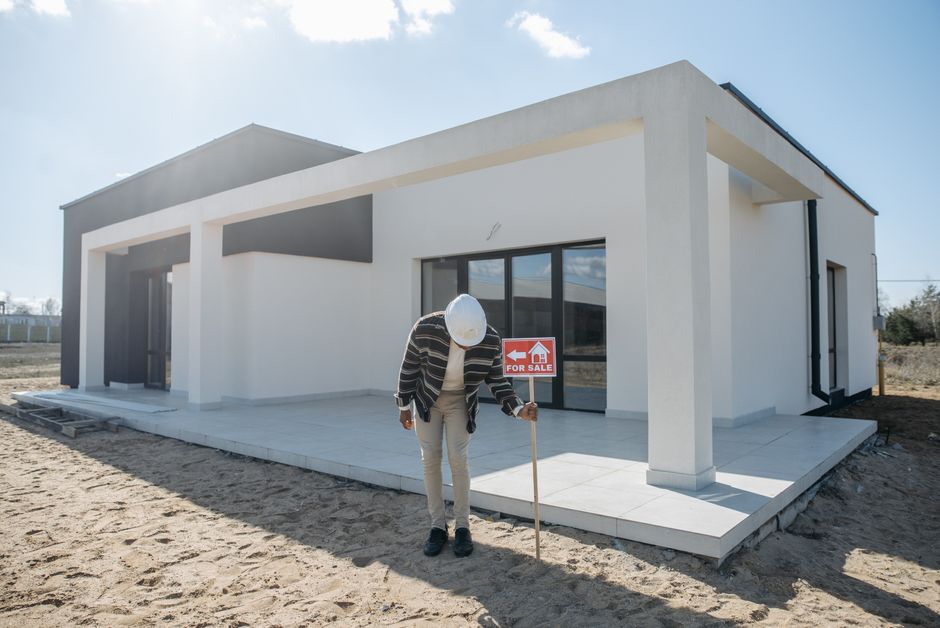
The math hasn't looked this lopsided in years. A buyer purchasing a median-priced Nashville home today, roughly $447,000, according to Greater Nashville Realtors data from May 2026, faces a monthly mortgage payment of approximately $2,850 after a standard 20% down payment at a 6.7% fixed rate. Rent a comparable three-bedroom in East Nashville or Germantown right now, and you're looking at $1,900 to $2,200 a month. The gap is real, and it's reshaping decisions across the city.
This matters more acutely on a Fourth of July weekend when Americans traditionally take stock of big financial milestones, homeownership chief among them. Nashville's population grew by an estimated 30,000 residents between 2023 and 2025, keeping demand relentless. But the Federal Reserve's prolonged rate environment has squeezed purchase affordability to a point where renting, once dismissed as throwing money away, now represents a legitimate short-term financial strategy for many households earning between $70,000 and $110,000 a year.
Walk down Fatherland Street in Five Points, and the evidence is anecdotal but consistent: vacancy signs on new apartment buildings that would have been snapped up within days in 2021. The Belfair apartment complex on Dickerson Pike, 220 units that came online in late 2024, is currently offering two months of free rent on 12-month leases, a concession that would have been unthinkable three years ago. The Tennessee Housing Development Agency has also expanded its Great Choice Home Loan program this year, but even with down-payment assistance, the monthly cost calculation remains unfavorable for buyers in most Nashville zip codes.
Where the Numbers Actually Land
Run the full comparison and the ownership premium becomes hard to ignore. The monthly cost gap between buying and renting a comparable property in Nashville now averages around $700 to $900, according to analysis from Apartment List's June 2026 national rental report, which flagged Nashville as one of 15 major metros where renting has become measurably cheaper on a monthly cash-flow basis. Factor in property taxes, Davidson County's current residential rate sits at $3.288 per $100 of assessed value, plus homeowner's insurance averaging $2,100 annually in Middle Tennessee, and maintenance reserves, and the true cost of ownership climbs well past $3,300 a month on that median purchase.
Renters in Midtown and the Nations neighborhoods are largely pocketing that difference. Some are parking it in high-yield savings accounts or index funds, essentially building wealth without a deed. Whether that strategy outperforms equity accumulation in a home depends heavily on how long someone stays, the standard break-even point in Nashville has stretched from around four years in 2019 to closer to seven or eight years today, based on current price and rate assumptions.
What Buyers Should Watch Before Jumping In
There are scenarios where buying still makes sense right now. Anyone with access to a VA loan through Fort Campbell-connected service, for instance, sidesteps private mortgage insurance and may qualify for rates below the conventional market. First-generation buyers using Metro Nashville's Barnes Fund for Affordable Homeownership can access forgivable loans that meaningfully change the monthly math. And buyers who can lock into a property in a supply-constrained corridor, think Sylvan Park or the 37206 zip code, are betting on continued appreciation that could justify the premium.
For everyone else, the practical advice is straightforward: run the numbers specific to your situation, not the national narrative. Use the Consumer Financial Protection Bureau's buy-versus-rent calculator, plug in Davidson County's actual tax rate, and model a seven-year horizon. If that monthly gap between owning and renting represents more than 35% of gross household income on the purchase side, most financial planners would tell you to wait. Nashville's market has confounded pessimists before, but at 6.7% on a $447,000 home, the arithmetic is doing the talking this summer.