News
By the Numbers: Nashville’s Top Local Stories and Community Data This July
Fourth of July heat records, summer ridership stats, housing prices and storm response—numbers shaping Nashville’s week.
4 min read
Updated 31 min ago
News
Fourth of July heat records, summer ridership stats, housing prices and storm response—numbers shaping Nashville’s week.
4 min read
Updated 31 min ago

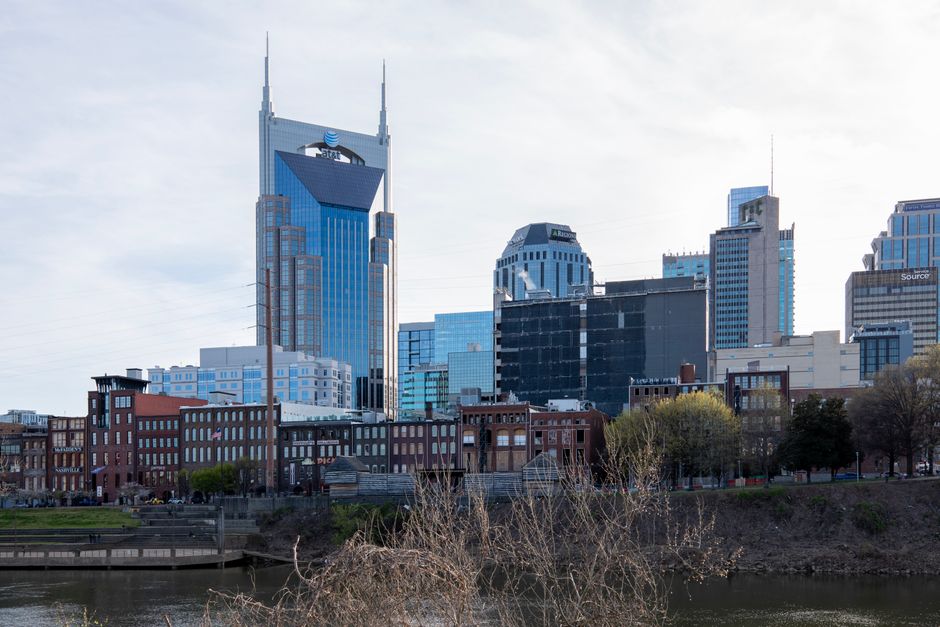
It’s official: July 2026 has started with a string of record-breaking temperatures, forcing Metro to cancel the annual fireworks along Riverfront Park for the first time in over a decade. The city logged a high of 103°F on July 3, the hottest Independence Day week since 1954, according to the National Weather Service in Old Hickory.
This comes at a time when Nashville’s population is swelling and infrastructure is being tested by more events, more residents, and bigger bills. Data reported from the Metro Health Department and city agencies this week paints a picture of a city adapting—sometimes painfully—to its own rapid growth and a wave of mid-summer challenges.
Across Davidson County, cooling centers reported a surge in traffic. The Martha O’Bryan Center in Cayce Homes hosted over 230 residents on July 4 alone—triple their monthly average for July 2025. Costs are also climbing: NES reports residential electricity usage up 21% over last year, with the average utility bill in East Nashville climbing to $224 for June, compared to $181 in 2025.
Health officials received 67 heat-related ER visits over the three-day holiday weekend, with Nashville General and TriStar Centennial Medical Center handling the brunt. The highest single-day tally of heat exhaustion cases (29) was recorded on July 3. For low-income residents, the Metro Action Commission announced a $120,000 emergency utility aid package, but as of Saturday morning, over 900 households were still on a waiting list.
Meanwhile, WeGo transit revealed ridership data for June showing an 11% jump in bus usage across main corridors—particularly along Gallatin Pike and Charlotte Avenue routes. Downtown’s new "Music City Loop" shuttle recorded 31,400 boardings in its inaugural month. Transit officials credit ongoing $2.4 million investments in air-conditioned buses and shelters for helping keep ridership up despite the heat.
Still, affordability pressures remain at the top of mind for many Nashvillians. The Greater Nashville Realtors Association’s June report pegged the median home sale price at $448,500, up 7.5% year-over-year. Green Hills, 12 South, and portions of Antioch saw the sharpest jumps; the number of homes available for under $350,000 across Davidson County fell by 14% since last July. The Urban Housing Collaborative on Jefferson Street says its waitlist for subsidized units is now over 3,200 names long—up from 2,600 this time last summer.
Last week’s bursts of severe thunderstorms left their own mark. Metro Water Services logged 361 stormwater service requests between June 26 and July 2—almost double the same period last year. Belmont-Hillsboro and parts of Madison reported the most downed tree calls, according to city dispatch logs. The city’s public works crews removed 212 tons of debris from streets and greenways since last Friday, focusing efforts on 8th Avenue South and Shelby Bottoms Greenway.
For residents in need of support, neighborhood centers in Bordeaux and Donelson are serving record numbers: Bordeaux Community Center distributed 1,200 meals in just four days this week, more than twice their July 2025 tally for the same week.
Metro’s Office of Emergency Management said improvements in response times—averaging 18 minutes for dispatch this week, down from 27 minutes last July—have helped keep disruptions manageable, but warned that resources are being stretched thin as event cancellations push more people indoors and into public venues.
City officials urge residents to sign up for NERVE (Nashville Emergency Response & Volunteer Engagement), launched last month, which already shows over 2,400 volunteers registered. Cooling centers remain open across eight sites, with updated locations and hours posted on the Metro Nashville website. Residents needing utility or meal assistance are encouraged to call 211 or check Metro Action’s website by noon daily for up-to-date information on aid programs and waitlists. Community leaders say the numbers tell the story: Nashville is growing, but so are the demands on the systems meant to keep its residents safe and supported.
News
News

News
News
About this article
Published by The Daily Nashville
Spread the word
Daily brief
Free, in your inbox before 7am. Weekdays.
The Daily Network — local news across Australia