News
Nashville Is Running Hotter, Pricier and Faster Than Peer Cities — And Residents Are Feeling It
From heat mortality to housing costs, a midsummer snapshot shows how Music City stacks up against comparable global metros.
4 min read
News
From heat mortality to housing costs, a midsummer snapshot shows how Music City stacks up against comparable global metros.
4 min read
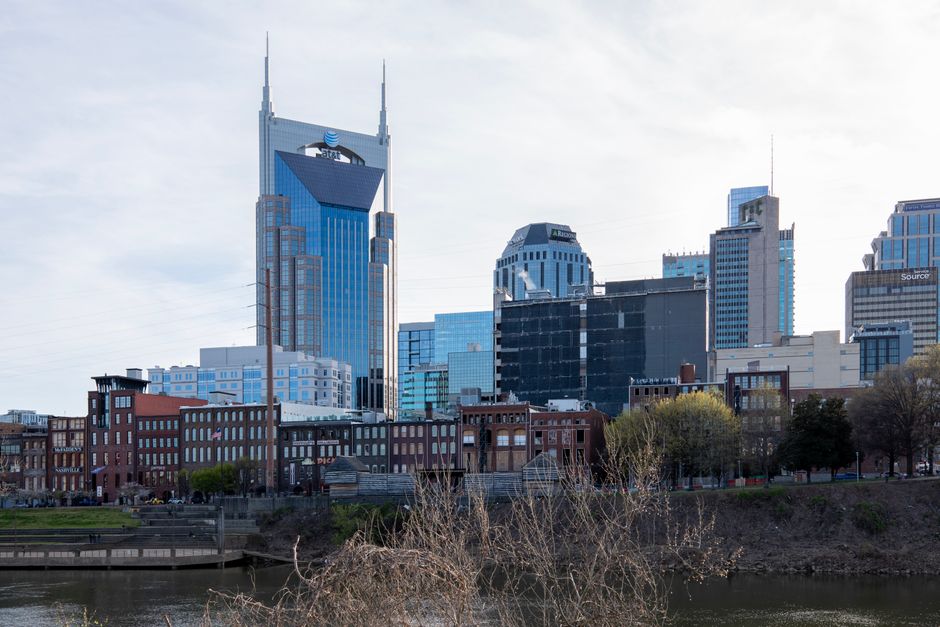
Nashville recorded its seventh consecutive day above 98 degrees Fahrenheit on Thursday, July 3, stretching a heat event that Metro Public Health officials say has already sent more than 340 people to emergency rooms across Davidson County since late June. The figure puts the city on a trajectory that, if it holds, will exceed last summer's heat-related ER total of 410 for the entire season. Europe's crisis provides grim context: France logged more than 2,000 excess deaths at the peak of its own heatwave this week. Nashville is not Paris, but the parallels are impossible to ignore.
The timing matters because the city is simultaneously absorbing a population surge — Metro Nashville Planning estimates the county added roughly 35,000 residents between January 2025 and June 2026 — while its urban heat island effect has measurably worsened. Paved surface coverage in the urban core has expanded alongside the construction boom, and shade canopy on lower-income blocks in North Nashville and Antioch has actually declined since 2022, according to Metro's urban forestry inventory data. More people, less shade, higher baseline temperatures: the math is unforgiving.
Metro Nashville has opened 18 designated cooling centers this summer, including facilities at the Hadley Park Community Center on John Merritt Boulevard and the Southeast Community Center on Harding Place. Both locations extended hours to 10 p.m. beginning July 1 under an emergency directive from Mayor Freddie O'Connell's office. The Nashville General Hospital campus on Hermitage Avenue added a triage intake specifically for heat illness on June 28. Those are real resources. They are also fewer, per capita, than the 24 centers Phoenix — a city of comparable summer extremes and similar population growth — operates per the Maricopa County heat response plan. Warsaw and other central European cities have begun aggressive misting-station programs this summer as Polish officials warn publicly about extreme weather linked to the broader security and climate pressures facing the continent. Nashville has no equivalent misting infrastructure downtown.
Housing costs compound the stress. The median asking rent for a one-bedroom apartment in the Germantown and East Nashville corridors has climbed to $1,740 per month as of June 2026, according to Apartment List's most recent Metro Nashville index — up 6.2 percent from a year ago. That puts Nashville above Denver and within $80 of Seattle for comparable units. Renters without central air, concentrated heavily in the Bordeaux neighborhood and along Dickerson Pike, face a brutal choice between a $180-plus monthly electricity bill to run window units or genuine health risk. The Nashville Electric Service reported a single-day residential demand record of 4,870 megawatts on June 29.
The Metro Council's Infrastructure and Transportation Committee is scheduled to take up a $12 million urban canopy and cool-surface pilot program on July 14. The proposal, developed with input from Vanderbilt University's Climate and Health Initiative, would prioritize tree plantings and reflective pavement coatings in five ZIP codes — 37207, 37208, 37211, 37013 and 37115 — identified as having both high heat vulnerability scores and low existing canopy coverage. Passage is not guaranteed; two council members representing outer suburban districts have already raised objections to the funding mechanism, which would draw from the general capital improvements fund.
Residents in affected neighborhoods can check cooling center hours and locations through the Metro Nashville emergency portal at emergency.nashville.gov, or by calling 615-862-5000. NES is also offering a summer bill deferral program for income-qualified households — applications are open through July 31 — which 6,800 households used last summer. For a city that likes to measure itself against booming Sun Belt peers, the honest comparison right now is not flattering. Nashville has the growth. It is still building the systems to match it.
News
News
News
News
About this article
Published by The Daily Nashville
Spread the word
Daily brief
Free, in your inbox before 7am. Weekdays.
The Daily Network — local news across Australia