wellness
Nashville Is Not Sleeping: Why People Are Resting Worse and What You Can Actually Do About It
From honky-tonk noise on Broadway to doom-scrolling in Germantown apartments, the city's sleep crisis is real, and fixable.
Listen in English · 5 min
How we reported this
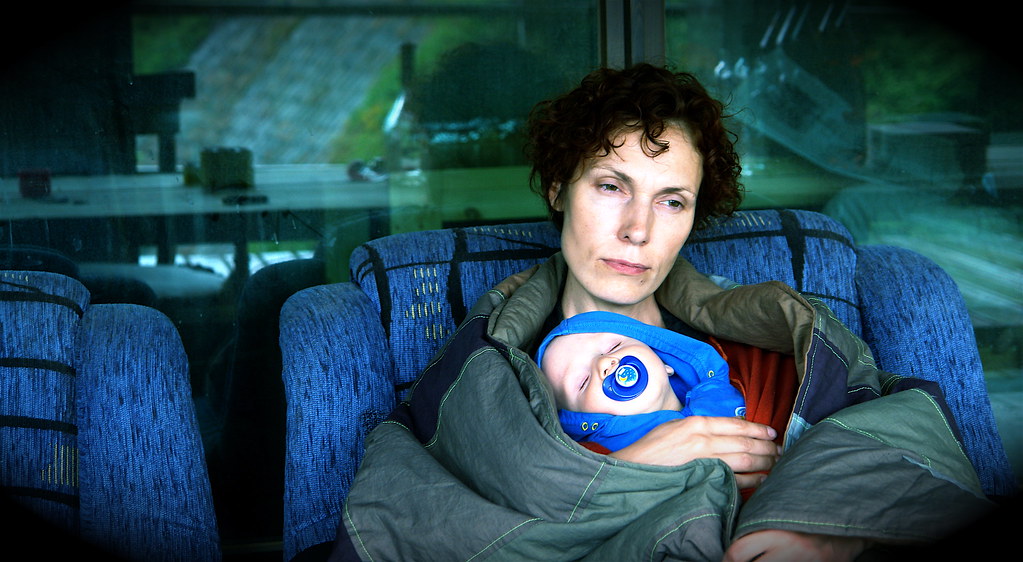
Nashvillians are exhausted. Not the good, hard-day's-work kind of tired, the lying-awake-at-2-a.m., dragging-through-Thursday kind. Sleep medicine specialists at Vanderbilt University Medical Center have seen a measurable uptick in patients reporting chronic poor sleep over the past 18 months, a pattern consistent with national survey data showing that roughly one in three American adults fails to get the recommended seven hours a night, according to Centers for Disease Control and Prevention figures published in early 2026.
That number matters more right now because the pressures compounding sleep loss are intensifying on multiple fronts simultaneously. Housing costs have climbed steadily across Midtown and East Nashville, leaving more residents carrying financial stress to bed. Screens are brighter and more addictive than they were five years ago. And Nashville's famous entertainment economy, the bars along Lower Broadway run until 3 a.m. on weekdays, means ambient noise, late-night light pollution, and irregular shift schedules are baked into daily life for a significant slice of the workforce.
What's Actually Keeping Nashville Awake
Sleep researchers point to three compounding culprits: light exposure, schedule disruption, and cortisol. Blue-light emissions from phones suppress melatonin production, the hormone that signals the brain to wind down. Cortisol, the body's primary stress chemical, spikes under financial or emotional pressure and is notoriously slow to clear the bloodstream. When both are elevated simultaneously, even a comfortable bed in a quiet room offers little refuge.
For residents near the 12South or Gulch neighborhoods, urban noise compounds the problem. A 2023 World Health Organization review found that nighttime noise above 40 decibels, roughly the level of a quiet conversation, measurably fragments sleep architecture, reducing the proportion of slow-wave and REM sleep even when a person doesn't fully wake. Gulch apartment residents living within two blocks of the Interstate 40 corridor routinely experience ambient traffic noise exceeding that threshold.
Hormonal factors are also getting fresh attention. Interest in hormone-related wellness has surged nationally in 2026, with practitioners at Tennessee Oncology's integrative medicine arm and at Nashville's Bluebird Integrative Health clinic on Charlotte Avenue both reporting higher patient inquiry about cortisol management, melatonin timing, and the sleep effects of fluctuating estrogen and testosterone, particularly among adults over 40.
Practical Steps That Actually Work
The good news is that behavioral interventions have a strong evidence base. Cognitive Behavioral Therapy for Insomnia, CBT-I, is now considered the first-line clinical treatment over sleep medications by the American Academy of Sleep Medicine. The Sleep Disorders Center at Saint Thomas Midtown Hospital on 21st Avenue North offers structured CBT-I programs, and waiting times as of June 2026 were running approximately six weeks for new patients, so booking early matters.
For people who aren't at the clinical threshold, several lower-barrier options exist locally. The YMCA of Middle Tennessee locations in Bellevue and Madison both run evening yoga and breathwork classes specifically designed around parasympathetic nervous system activation, the physiological state that precedes natural sleep onset. Classes run $12 drop-in for non-members. Researchers at Vanderbilt's Department of Medicine consistently find that moderate aerobic exercise, when completed before 7 p.m., reduces sleep-onset time by an average of 12 minutes and increases total sleep duration.
Timing of light exposure is equally important and costs nothing. Getting outside on Shelby Bottoms Greenway or Centennial Park before 9 a.m. anchors the circadian clock by flooding the retina with natural light early in the day, which paradoxically makes nighttime melatonin production more reliable. Keeping the bedroom below 68 degrees Fahrenheit, a challenge given Nashville's July humidity, cuts the time to fall asleep by reducing core body temperature, a prerequisite for deep sleep.
The practical prescription is unglamorous: consistent wake times, dimmed lights after 9 p.m., a cooler room, and, if the problem persists beyond four weeks, a referral to a sleep specialist rather than a reliance on over-the-counter antihistamines, which blunt sleep quality over time despite inducing drowsiness. Anyone experiencing persistent insomnia should consult a Nashville-based physician before starting any supplement or program.