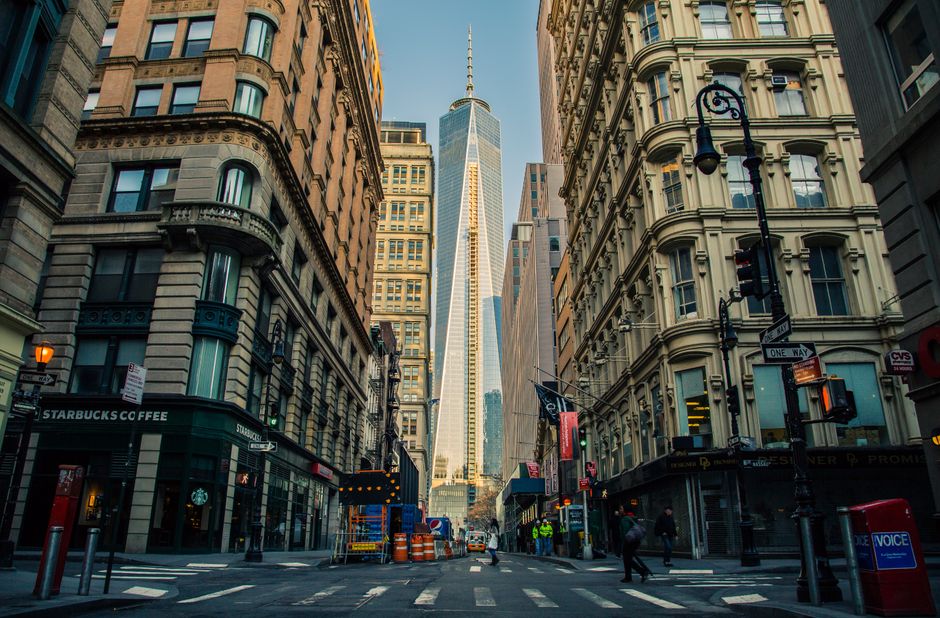
Nashville's government websites, neighborhood association newsletters, and Metro Council meeting archives have a problem that sounds minor until you look closely: the same photographs keep showing up in different contexts, sometimes misrepresenting the very projects and programs they're meant to illustrate. A photo of Germantown's storefronts labeled as a Bordeaux development. An image of Shelby Park trails recycled to represent a proposed greenway in Antioch. The practice of duplicate image replacement — swapping out one stock or recycled photo for another without updating the underlying caption or context — has become a recurring complaint at community board meetings across Davidson County.
It matters right now because Nashville is in the middle of several high-stakes civic conversations. Metro Planning is moving forward with the updated NashvilleNext land-use amendments, and the Mayor's Office of Housing has been pushing the PILOT affordable housing program to skeptical North Nashville residents. When the imagery attached to those programs doesn't match actual locations or neighborhoods, it erodes the credibility of outreach before a single public comment is filed.
Where the Problem Shows Up Locally
The issue surfaces most visibly in two places. First, the Metro Nashville Parks Department website has drawn criticism from East Nashville neighborhood advocates who noticed that photos tagged as representing the Shelby Bottoms Greenway expansion — a project with a $4.2 million capital budget approved in the fiscal year 2025-2026 Metro budget cycle — were actually taken along the Cumberland River Bicentennial Trail near Riverfront Park, more than four miles away. Second, the Nashville Downtown Partnership's community newsletter distributed to Gulch and SoBro residents this spring featured a photograph of a pedestrian plaza that local residents quickly identified as being from a streetscape project in Louisville, Kentucky, not the Korean Veterans Boulevard corridor being discussed.
Neither situation involves bad faith. Staff at underfunded community offices grab images from shared drives and internal databases, often under deadline pressure and without dedicated photo editors. But the downstream effect is that residents who know their neighborhoods feel dismissed, while residents who don't recognize the inaccuracy make decisions — whether to attend a public meeting, support a zoning change, or trust a housing program — based on a false visual impression of what's actually proposed.
The Tennessean covered a related complaint in March 2026 after residents attending a Metro Planning Commission hearing on the Dickerson Pike corridor questioned whether renderings shown in the presentation matched actual parcels under discussion. Planning staff acknowledged at that session that some reference images had been pulled from a general urban streetscape library rather than site-specific photography.
What Residents Can Do — and What Should Change
Community advocates at the Woodbine Community Organization and the North Nashville Community Development Corporation have separately started asking Metro agencies, at public meetings, to source-verify images attached to project documents before distribution. It's a reasonable request that costs nothing to implement beyond a short internal checklist.
For residents, the practical step is straightforward: when you receive a flyer, see a city website update, or sit through a Metro presentation about a project in your neighborhood, do a reverse image search on any photos shown. Google Images and TinEye both offer free tools that take under thirty seconds. If an image tags as stock photography or links to a different city, note it and raise it at the next public comment period. Metro Planning's public comment periods for NashvilleNext amendments remain open through August 14, 2026, giving residents a near-term window to flag exactly these concerns in the formal record.
Longer term, city agencies should adopt a straightforward policy: every image attached to a neighborhood-specific project document must include a filename or caption notation confirming when and where it was taken. Several mid-size American cities, including Kansas City and Richmond, Virginia, have implemented basic photo-sourcing standards for public-facing planning documents. Nashville, with its growing planning infrastructure and a Metro budget that topped $3.2 billion for fiscal year 2026, has the resources to do the same. The barrier is institutional habit, not money.
A photograph is not a footnote. In civic communication, images set expectations, shape emotions, and signal to residents whether the city sees their neighborhood as distinct or interchangeable. Getting them right is the minimum the work requires.