Metro Nashville Planning Department staff flagged more than a dozen development applications in the first half of 2026 that contained duplicate or algorithmically generated images presented as original architectural renderings — a problem that planners say is distorting public review processes and complicating decisions on projects worth tens of millions of dollars.
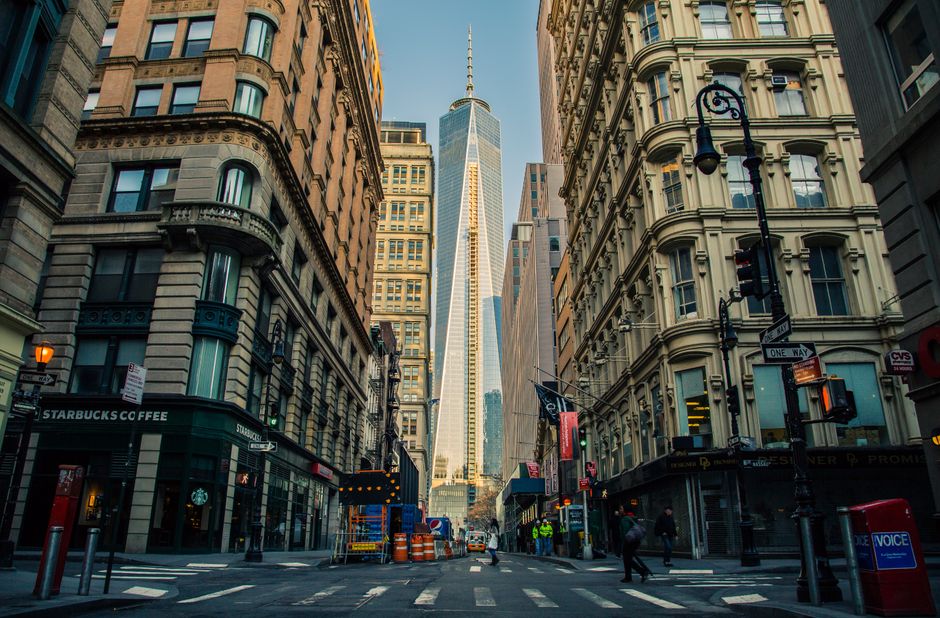
The issue surfaced publicly this spring when a rezoning request near the Five Points corridor in East Nashville drew objections from neighborhood advocates who noticed that streetscape images submitted with the application appeared nearly identical to visuals filed for an unrelated mixed-use project on Charlotte Avenue. Metro staff confirmed the overlap and asked the applicant to refile. That case, sources familiar with the situation say, was not isolated.
What Officials and Experts Are Saying
Staff at the Metro Nashville Planning Commission have begun circulating internal guidance asking applicants to certify that renderings are project-specific and have not been reused from prior submissions. The guidance, drafted in May 2026, does not yet carry the force of a formal ordinance, but planning commissioners have indicated they intend to take up a binding policy before the end of the third quarter. The Sounds Like Nashville civic tech group, which monitors city planning data, flagged at least 11 applications between January and June containing images that reverse-image searches linked to stock libraries or prior unrelated filings.
Urban design professionals working in the Gulch and Wedgewood-Houston neighborhoods say the problem reflects a broader shift in how smaller developers prepare submissions. Professional rendering firms that once charged between $3,000 and $8,000 for a full set of project-specific visuals have seen some clients turn to AI image tools that produce convincing streetscape views in minutes for a fraction of that cost. The result, planning consultants say, is that review boards sometimes evaluate buildings that bear no resemblance to what will actually be built.
Vanderbilt University's Department of Civil and Environmental Engineering hosted a panel on digital integrity in municipal planning in March 2026 that drew attendance from Metro staffers, private architects, and neighborhood plan representatives from Germantown and Salemtown. Panelists debated whether Nashville should adopt a submission protocol modeled on requirements already in use by planning bodies in Chicago and Portland, Oregon — both of which require digital-signature authentication on renderings for projects exceeding a defined square footage threshold.
What Comes Next for Applicants and Neighborhoods
The Nashville Civic Design Center, based on Fifth Avenue North, has been working with Metro staff to develop a checklist that applicants would complete alongside standard zoning filings. The checklist, expected to be piloted by September 2026, would require applicants to identify the rendering firm or software used, the date of original creation, and whether the image has appeared in any prior submission anywhere in the country.
For residents tracking specific projects, the most immediate practical step is to request the full application file through Metro's public records portal and run key images through a reverse-image tool before a community meeting. Neighborhood groups in Inglewood and Donelson have already incorporated this step into their standard review practice after being caught off guard by recycled visuals in 2025.
The Planning Commission's next scheduled public hearing is July 21, 2026, at the Metro Courthouse on Deaderick Street. At least three applications on that docket have been flagged informally by staff for image review questions, according to the published agenda notes. Whether the commission uses those cases to formally announce a new policy or continues under interim guidance will likely signal how seriously Metro intends to treat what planners are quietly calling one of the more consequential document-integrity problems the department has faced in years.