Nashville's Metro Public Works department has been working through a multi-phase audit of duplicate and conflicting wayfinding imagery installed across Davidson County — a housekeeping effort that touches everything from redundant street-level signage clusters on Broadway to overlapping digital display panels near the Gulch — but community groups tracking urban design say the city's timeline is still years behind comparable cleanup programs in cities like Amsterdam and Denver.
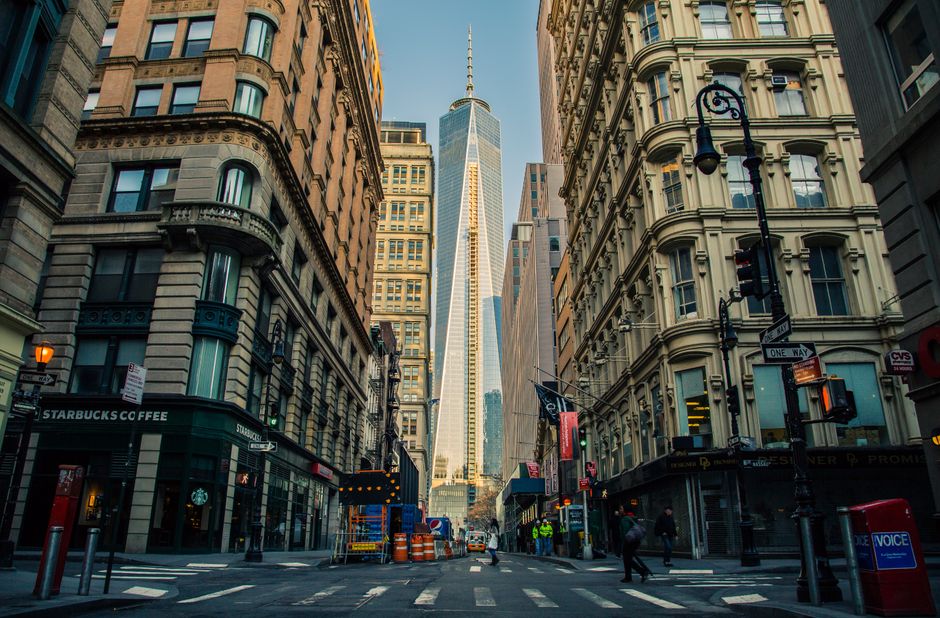
The issue sounds mundane until you stand at the corner of Fifth Avenue and Broadway on a summer afternoon and count the signs. Eight separate panels — some city-issued, some legacy transit authority placards from the now-restructured WeGo Public Transit network, and at least two holdovers from a 2019 downtown beautification initiative — occupy a single 15-foot stretch of sidewalk. Duplicate imagery, defined by the Federal Highway Administration as redundant visual elements that create navigational confusion or ADA compliance failures, has been flagged in at least three Metro Council committee sessions since January 2025.
Where Nashville Stands in a Global Context
The reason this is getting more attention now is partly bureaucratic and partly financial. Metro Nashville's fiscal year 2026 capital budget allocated roughly $1.4 million toward signage consolidation citywide, a figure city planners have described in public budget documents as a starting point rather than a full solution. For context, Denver's Department of Transportation and Infrastructure completed a comparable duplicate-sign removal program across its downtown core in 2023 at a total cost of $3.8 million, covering more than 4,200 individual sign faces across 14 central neighborhoods. Amsterdam's municipal wayfinding overhaul, which ran from 2018 through 2022, removed more than 6,000 redundant panels from the city center and Canal Ring district, according to the Amsterdam City Archives.
Nashville's 2026 allocation, spread across all of Davidson County's roughly 533 square miles, gives planners considerably less room to work. Metro Public Works has prioritized high-pedestrian corridors — Lower Broadway, the 12 South neighborhood along Belmont Boulevard, and the emerging Wedgewood-Houston arts district — for the first phase of removals. The Nashville Area Metropolitan Planning Organization, which coordinates regional transportation planning, included duplicate signage reduction as a line item in its 2025-2030 Regional Transportation Plan, citing ADA compliance pressure and the city's ongoing growth in tourist foot traffic as driving factors.
Advocacy organizations including Walk Bike Nashville have been pressing for faster action, particularly in areas where redundant sign clusters obstruct curb cuts and accessible pathways. The group has conducted its own sidewalk-level surveys along Nolensville Pike and Charlotte Avenue, both high-density corridors where Metro bus stops and older city-issued panels frequently conflict with newer digital wayfinding installed under the 2022 Smart City Nashville initiative.
What Comes Next for Nashville Residents
Metro Public Works is expected to release a phase-one completion report by September 2026, covering the Broadway corridor and portions of the Gulch. That report will determine whether the department requests additional capital funding in the fiscal year 2027 budget cycle, which Metro Council begins reviewing in late October.
For residents and business owners along affected streets, the practical impact is modest but real. Property owners within 10 feet of a city-designated removal zone can submit objections through the Metro Planning Department's online portal — a process that was updated in March 2026 — within 30 days of receiving a notification letter. Businesses in the 12 South corridor received their first round of letters in June.
Compared to peer cities, Nashville is not an outlier in encountering this problem, but it is a relative latecomer to treating it systematically. Denver and Amsterdam both embedded duplicate-image removal into broader streetscape master plans with dedicated multi-year funding. Nashville is still stitching together short-term allocations. Whether the September report prompts a longer commitment will tell planners — and the neighborhoods waiting on cleaner, clearer sidewalks — a great deal about how seriously city hall is taking the issue.