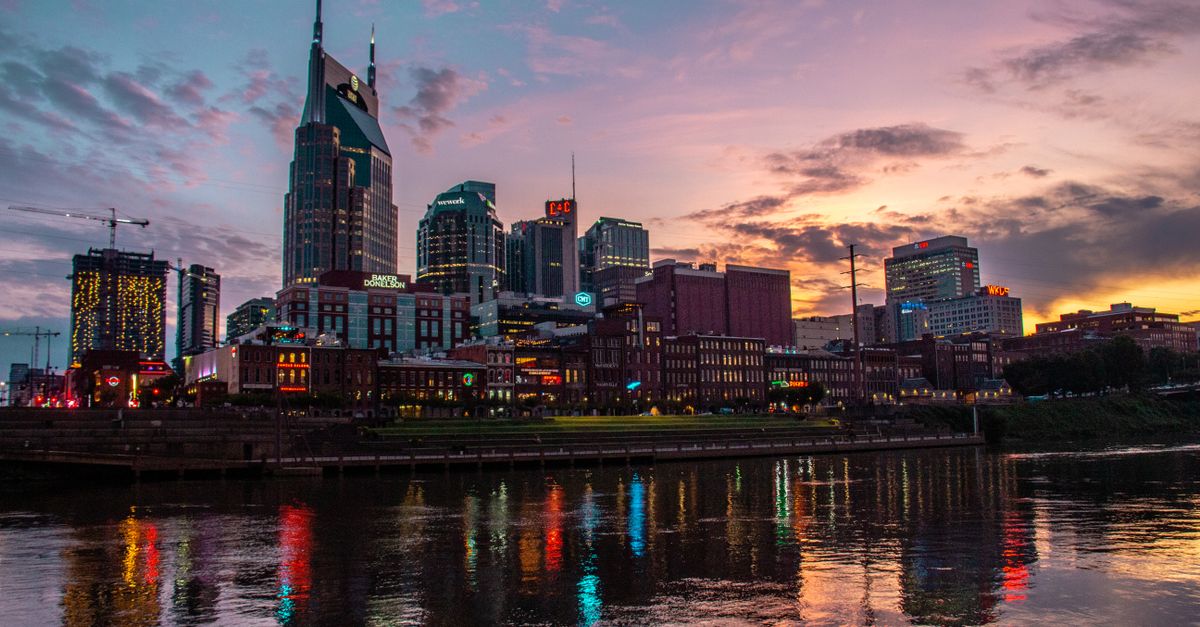
Nashville's tourism economy, which generated roughly $8.7 billion in visitor spending as recently as 2024, is showing genuine cracks in 2026. Hotel occupancy on Lower Broadway and in the Gulch district dropped to around 68 percent in the first quarter of this year, down from a post-pandemic high of nearly 79 percent in 2023, according to figures tracked by the Nashville Convention and Visitors Corp. That's not a blip. That's a trend.
The timing matters because the city has bet enormous public money on continued visitor growth. The new $2.1 billion convention center expansion anchored to the existing Music City Center on Korean Veterans Boulevard was greenlit on projections that assumed Nashville would keep pulling major conventions away from Chicago and Las Vegas. Those projections now look optimistic. Several national associations that had booked Nashville for 2026 and 2027 have quietly renegotiated room-block commitments downward, citing member travel budgets squeezed by inflation and corporate cost-cutting.
Bachelorettes and Bar Tabs Are Down
Broadway's honky-tonk corridor, home to venues like Tootsie's Orchid Lounge and the Assembly Food Hall on Fifth Avenue, built much of its recent economy on the bachelorette-party-and-group-travel pipeline. That pipeline is narrowing. A group weekend in Nashville — two nights at a mid-tier hotel near Printer's Alley, bar crawl packages, a pedal tavern rental and a rooftop brunch — now runs north of $400 per person before flights. Groups that once defaulted to Nashville are comparing that number against New Orleans or Savannah, where the dollar stretches further.
Airbnb inventory in East Nashville and Germantown, two neighbourhoods that absorbed significant short-term rental investment between 2018 and 2023, has ballooned past demand. Average nightly rates for short-term rentals citywide have fallen around 12 percent since January, according to data aggregated by STR, the hospitality analytics firm headquartered here in Nashville. Some property owners who financed acquisitions at 2021 prices are already listing units for long-term lease, quietly exiting the short-term market rather than absorb mounting vacancies.
Globally, the picture reinforces the local unease. Europe's brutal summer heat — France alone recorded more than 2,000 excess deaths during the June heatwave — has disrupted transatlantic leisure travel patterns and redirected some international visitors away from long-haul trips entirely. The Strait of Hormuz remains edgy, keeping jet fuel prices elevated. Those upstream pressures land directly on airline ticket costs into Nashville International Airport, where nonstop international routes have been among the airport's biggest selling points since British Airways launched its London Heathrow service in 2022.
What the Industry Is Doing About It
The Nashville Convention and Visitors Corp launched a targeted domestic marketing push in May called "Tennessee Homecoming 2026," designed to pull drive-market visitors from Atlanta, Birmingham and Louisville — cities within a four-to-five-hour radius — rather than compete for the long-haul traveler. The strategy acknowledges reality: drive-market visitors spend less per trip but cost far less to attract and cancel far less frequently.
Meanwhile, Marriott's new 33-story tower at the corner of Demonbreun Street and Eighth Avenue South is still on schedule to open in the fourth quarter of 2026, adding 532 rooms to a market that some analysts argue is already oversupplied at peak. The hotel's developers are banking on demand from the adjacent Oracle campus and the broader SoBro corporate corridor, rather than purely leisure traffic.
Restaurateurs and venue operators along the Honky Tonk Highway have started offering mid-week packages and local-resident incentives — $20 cover charges waived for Tennessee ID holders on Tuesday and Wednesday nights — in an effort to smooth out the feast-or-famine weekend pattern that has defined Broadway economics for a decade.
The city's tourism leadership has until the end of Q3 to demonstrate to Metro Council that the Music City Center expansion still pencils out. If convention bookings for 2027 and 2028 don't firm up by September, expect a serious public debate about the pace of hospitality infrastructure investment — and who ultimately pays when the visitors slow down.
This article was compiled by AI and screened before publishing. See our editorial standards.