lifestyle
Nashville Hot Chicken: How One Fiery Dish Defined a City
The fiery fried chicken that became one of the city's signature dishes.
Listen in English · 2 min
How we reported this
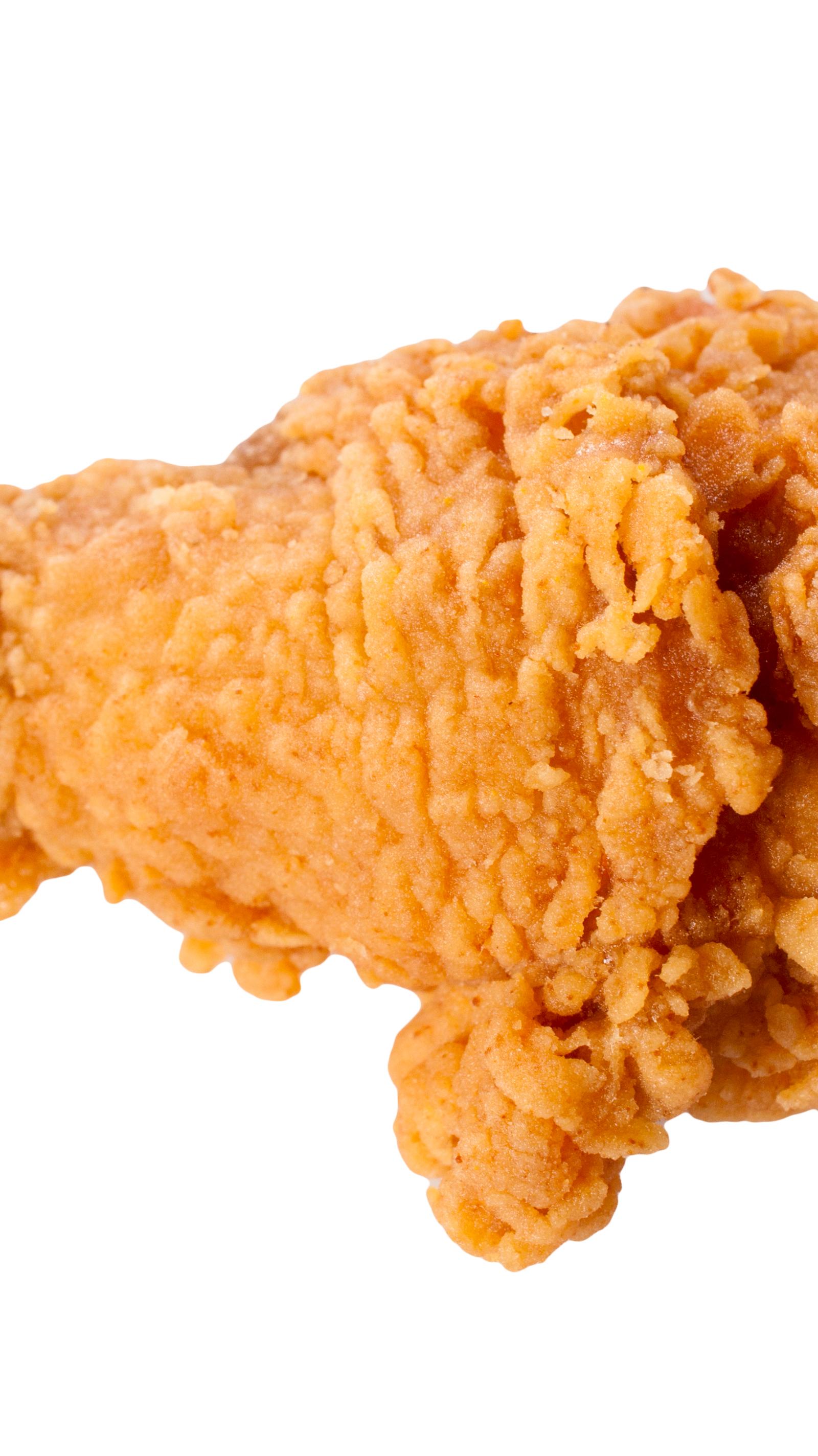
Ask about Nashville food and the conversation almost always turns to hot chicken. The dish, fried chicken coated in a cayenne-heavy paste and traditionally served on white bread with pickles, has grown from a local specialty into one of the city's best-known culinary exports.
Hot chicken's roots in Nashville trace back to the African American community and to Prince's Hot Chicken Shack, the establishment most often credited with popularizing the style. For decades it was a neighborhood dish, sold at a handful of spots and known mainly to locals.
The preparation is distinctive. Chicken is fried, then brushed or dipped in a spicy paste built around cayenne pepper and other seasonings, producing a deep red color and significant heat. It is typically served on slices of plain white bread with dill pickle chips, which help cut the spice.
Heat levels are part of the culture. Many restaurants offer a range from mild to extra hot, and the hottest versions are treated as a challenge rather than an everyday order. Newcomers are usually advised to start well below the top of the scale.
Over the past two decades hot chicken has spread far beyond its origins, appearing on menus across the United States and inspiring national chains. In Nashville itself, the dish is celebrated at community events and remains a point of local pride, with both long-standing shops and newer restaurants serving their own versions.
For visitors, trying hot chicken is often treated as an essential Nashville experience, alongside live music and a walk down Broadway. The city's tourism office and countless local guides point newcomers toward the dish as a way to taste a piece of Nashville's food history.
Whether ordered mild or blistering, hot chicken reflects how a working-class neighborhood dish can come to define a city's identity on the plate.
Sources: en.wikipedia.org, visitmusiccity.com.