things-to-do
Centennial Park and Nashville's full-scale Parthenon
The West End park that holds a full-scale replica of the ancient Athenian temple.
How we reported this
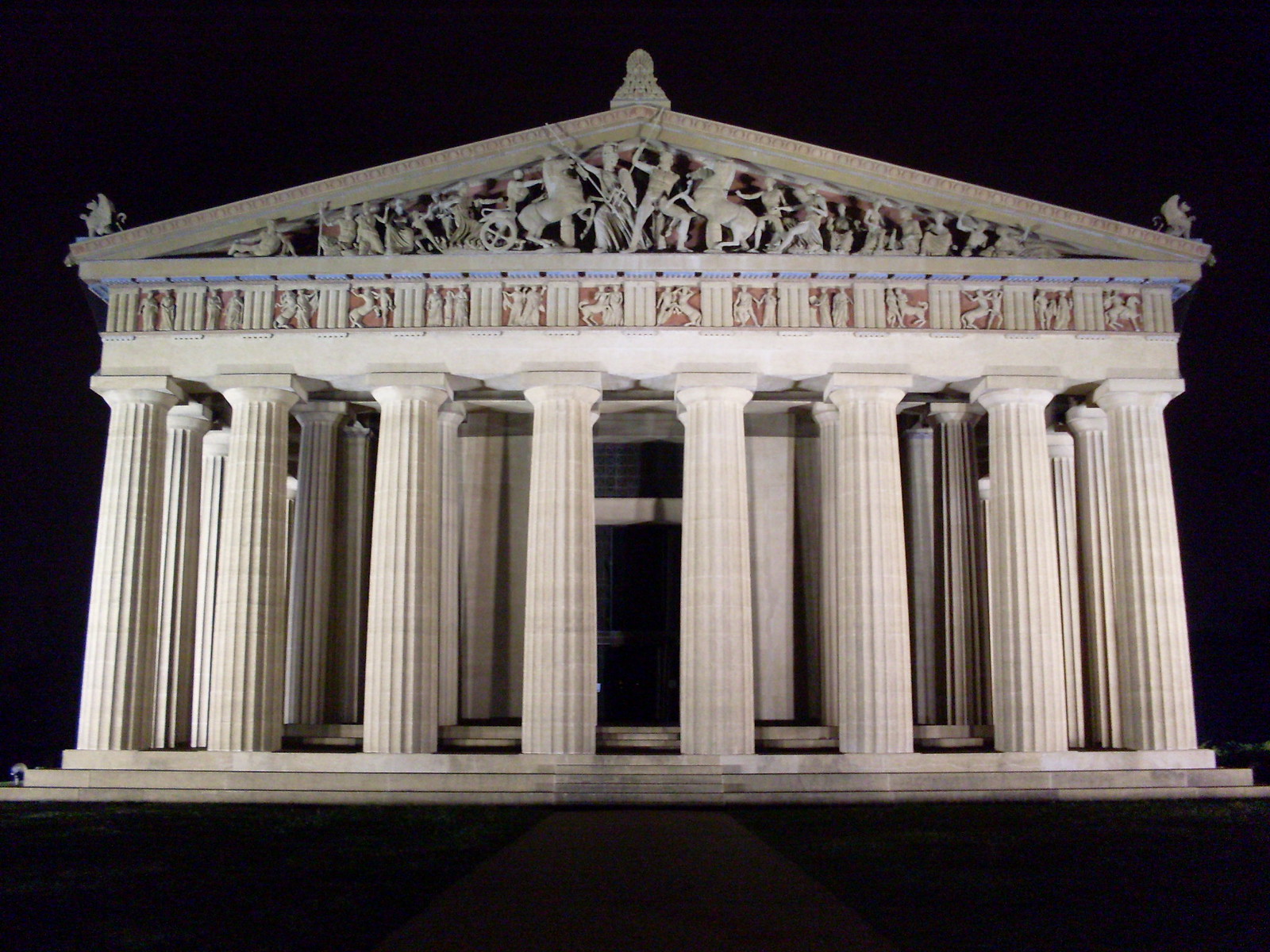
One of Nashville's most unexpected landmarks sits in a park just west of downtown: a full-scale replica of the Parthenon of ancient Athens. The building anchors Centennial Park in the West End area and has become a symbol of the city's long-held nickname, the "Athens of the South."
The replica was built for the Tennessee Centennial Exposition of 1897, a fair marking a century of statehood. Many of the exposition's structures were temporary, but the Parthenon proved so popular that it was eventually rebuilt in permanent materials and kept as a civic monument.
Today the building operates as an art museum. Inside, a towering statue of the goddess Athena stands in the main hall, recreating the scale of the ancient original, while the lower level houses galleries with a collection of American paintings and space for changing exhibitions.
The surrounding Centennial Park is one of Nashville's central green spaces, with a lake, walking paths, open lawns and monuments. It regularly hosts community events, from outdoor concerts to arts festivals, and is a popular spot for picnics and weekend gatherings.
The park and Parthenon are close to Vanderbilt University and the Hillsboro Village neighborhood, making the area a natural stop for visitors exploring beyond downtown. The park is managed by the city's parks department, and the Parthenon charges admission for the museum while the grounds remain free and open to the public.
For families, students of history and photographers alike, the combination of a classical temple and an urban park gives Nashville one of its more distinctive attractions, a reminder of a 19th-century civic ambition that still shapes how the city presents itself.
Sources: nashville.gov, en.wikipedia.org.
This article was compiled by AI and screened before publishing. See our editorial standards.